
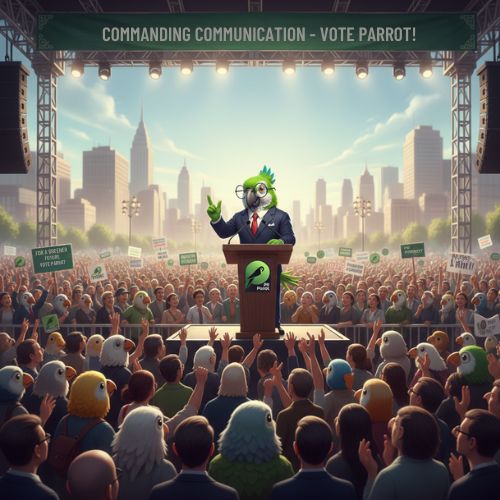
The Importance of Public Awareness and Political Communication Campaigns for a Political Person
In today’s fast-paced and information-driven world, public perception can determine the rise or fall of any political figure. Building trust, conveying values, and maintaining visibility are no longer optional—they are essential. This is where public awareness and political communication campaigns play a vital role. Whether a political leader is addressing policy issues, community concerns, or election promises, effective communication lays the foundation for credibility and success.
Below is a comprehensive look at why these campaigns are crucial and how they can shape a political journey.
1. Building Trust and Credibility
Trust is the currency of politics. Without it, even the most compelling ideas struggle to gain traction. A consistent communication campaign helps political leaders:
- Demonstrate transparency
- Share accurate information directly with the public
- Clarify misconceptions before they spread
- Show accountability and reliability
When citizens feel informed, they are more likely to place confidence in their leaders.
2. Strengthening Public Engagement
Modern politics requires more than speeches and press releases. It needs meaningful engagement. Public awareness campaigns allow political figures to connect with people through:
- Social media interactions
- Community events and town halls
- Press briefings and interviews
- Educational content explaining policies
This two-way communication builds a sense of partnership between the leader and the community.
3. Educating Citizens About Policies and Initiatives
Complex policies often get lost in translation. Political communication campaigns help simplify ideas so the public can understand:
- Why a policy matters
- How it impacts their daily lives
- What long-term benefits it offers
- What problems it aims to solve
Educated voters are empowered voters—and informed citizens are more likely to support well-explained initiatives.
4. Shaping Public Perception and Narrative
In politics, perception often becomes reality. If a political figure does not actively shape their narrative, others will. Effective communication allows leaders to:
- Highlight achievements
- Share values and vision
- Counter misinformation swiftly
- Frame discussions around key priorities
A well-planned campaign ensures that the right message reaches the right audience at the right time.
5. Enhancing Visibility and Relevance
Consistency in communication keeps a political leader relevant. Even outside election periods, staying visible helps maintain momentum and prevents a disconnect with the public. This includes:
- Regular updates on ongoing projects
- Sharing community success stories
- Addressing local or national crises
- Showcasing involvement in public welfare activities
Visibility builds recognition, which is essential in shaping long-term influence.
6. Mobilizing Support and Encouraging Participation
Public awareness efforts play a major role in mobilizing citizens during campaigns, policy rollouts, or advocacy initiatives. These campaigns help:
- Encourage voter turnout
- Rally volunteers and supporters
- Gain endorsements and partnerships
- Build momentum around key issues
People are more motivated to act when they clearly understand the goals and benefits of participation.
7. Countering Misinformation and Managing Crises
With the rise of social media, misinformation spreads faster than ever. Political communication campaigns allow leaders to:
- Respond quickly with verified information
- Maintain control during crises
- Provide timely updates
- Reassure the public during uncertain periods
A strong communication strategy becomes a shield against reputational damage.
8. Humanizing the Political Leader
People connect with people—not positions or titles. Well-crafted campaigns help political figures show their human side:
- Personal stories
- Behind-the-scenes moments
- Community interactions
- Messages of empathy and solidarity
Humanizing a political figure strengthens emotional connection and loyalty.
Conclusion
Public awareness and political communication campaigns are not just tools—they are essential strategies for effective leadership. They allow political figures to build trust, educate citizens, shape public perception, and foster meaningful engagement. In a world where information moves at lightning speed, the political leaders who communicate effectively are the ones who stay relevant and impactful.
A well-planned communication campaign is an investment in long-term credibility, public support, and successful governance.